Before You Begin
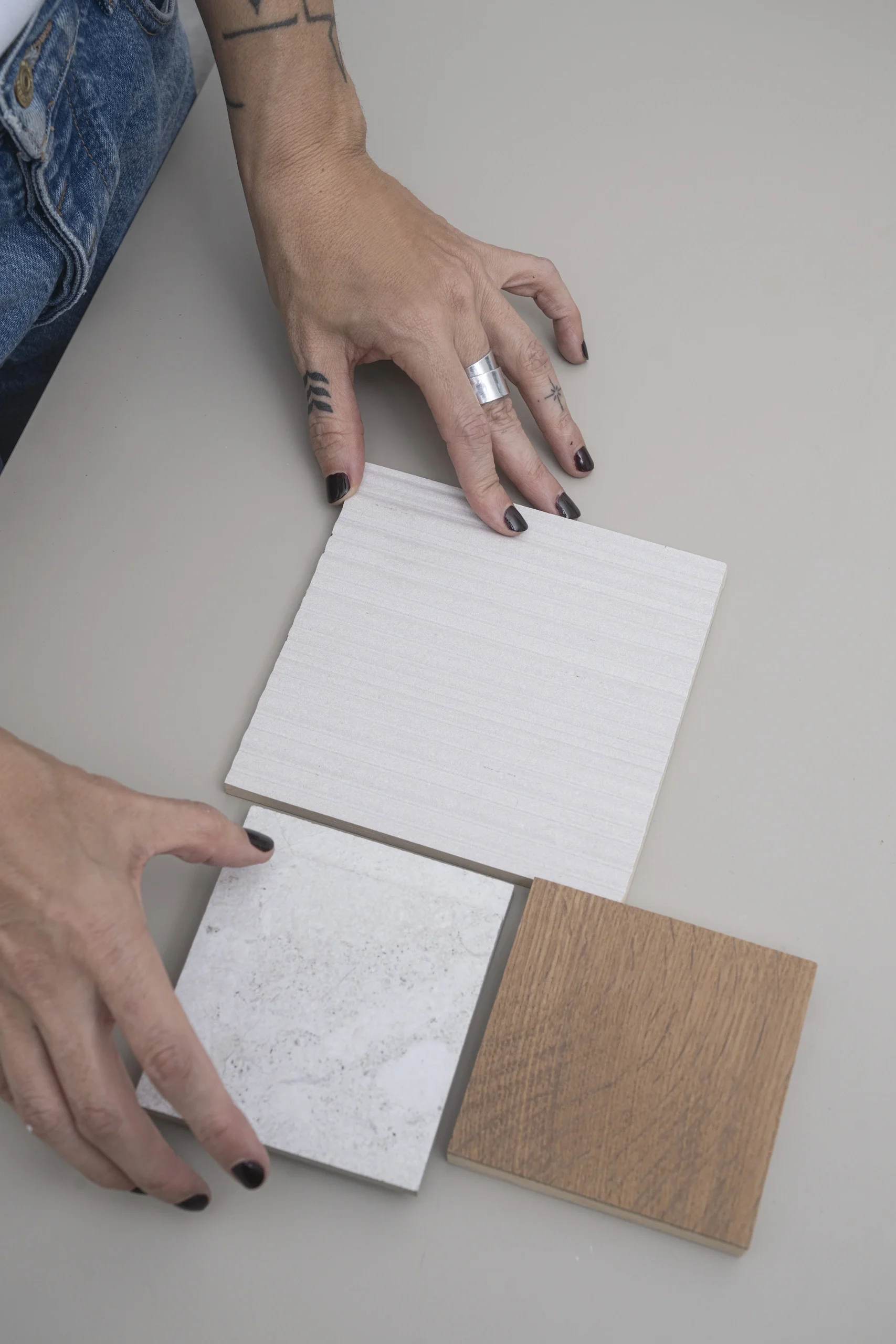
Here's what you need to do before you design, renovate, or buy a single piece of furniture for your home.
When clients first come to me, they're excited. They're also a bit scared, and often confused about where to begin. I get it. Starting a home design project can feel very overwhelming, and with so many moving parts it's easy to freeze mid-dream.
Over the years I've found that a few specific actions take a lot of the friction out, and give you a solid foundation for everything that comes next. They apply whether you're moving into an empty new space or refreshing the home you already live in.
Ten things to do first
1. Decide how you want to live before you decide how it should look
The whole point of designing your home is to increase your quality of life. Aesthetics are an important part of that, but they’re not the whole thing.
Sometimes a client comes to me with a Pinterest board that doesn't match her real life. A board full of beautiful cream bouclé sofas, and she has a cat, a dog and two toddlers. A small piece of my heart breaks, because I know there's a misalignment there and I have to break the news.
It's really helpful to have an idea of what you like. What's a lot more helpful, and more important, is understanding how you live and how you want to live.
Start with a bit of an awareness exercise. Keep a journal for three days: two weekdays and one day of the weekend. Write down how your mornings run. Where do you drop your keys? What are the small points of friction in your day, the ones you've got so used to that you hardly notice them any more?
2. Start with the art and the meaningful objects you already own
Most people approach art last, which is why so many finished homes still feel a bit generic, even when the design is beautiful.
Understandably, this layer of art and finishing touches gets overshadowed by the big works, the renovation, and it doesn't always get the attention it deserves. So work out which pieces matter most to you. A painting, a rug, a ceramic you carried home from your travels. These set the essence of your project. They're what makes the home yours, the things no one else will have.
If you don't own anything you love yet, that's useful to know too. It means art is a budget line, and it belongs in the plan from day one.
3. Audit what you own
If you’re starting with an empty home and nothing to bring, lucky you, that’s a clean slate.
But it’s not always the reality. If you're renovating a place you've lived in for a while, or bringing things with you to a new one, an audit is a crucial part of the process.
Think of it as a massive spring clean that creates space for the next chapter of your life (which it is!). Getting clear about who you are not anymore matters as much as getting clear about who you are.
It doesn't need to take long. Go with your intuition and sort your belongings into three piles.
Pile one is "hell no". This is leaving. Donate it.
Pile two is "not sure". Keep these and bring them into the design project as maybes.
Pile three is "this is completely me, I love it and I want it". These are definitely going into your design.
4. Give it a number
"We'll see what things cost" is how budgets double. I understand that numbers can bring a small knot of fear, but unless your budget is limitless (in which case, call me!), you need to start somewhere.
I like to work in ranges, shaped by the scope of the project and what you value. Some people will happily splurge on a fully bespoke bed, right down to the linens. Others on a tile they fell in love with and had to have.
Try this. Pick one room, go to the website of a favourite supplier, and add everything that room needs to your cart. That total is the lower end of your budget. I'm not a betting girl, but I'd bet you haven't added everything.
Then add a contingency. In a renovation, the real condition of a home only shows itself once a wall or ceiling is open.
5. Check the home properly before anything goes in
An empty home is the easiest it will ever be to inspect. Once the furniture arrives, the cracked tile is under a rug and the patchy paint is behind a wardrobe.
Walk every room with the lights on and the taps running. Test every socket and every AC unit. Photograph what you find and report it in writing. If the property is new, ask your developer what’s covered under their defects period and for how long (usually a year), and whether any changes you make affect that cover.
6. Plan the whole home, then do it in one go
Piecemeal is the expensive route. Every separate phase of a renovation means mobilising the contractor again, prepping the site again, getting approvals again and living in limbo again. One bathroom this year and the kitchen next costs more than doing both together. You pay in patience too.
Furnishing is the same. Pieces bought one at a time rarely add up to a home.
If the budget can't stretch to everything at once, the plan still can. Resolve the full design first, then buy in phases against it.
Decide early on any key artwork, whether it's a piece you already own or one you want to invest in. Smaller pieces and accessories can come later, through travels and special gifts. A home’s always evolving, but it needs a cohesive base to evolve from.
7. Find out which approvals you need
In Dubai, most work needs permission from your building or community management before it starts. That includes jobs people assume are exempt. Painting walls and hanging curtains usually need a no-objection certificate. Moving plumbing, touching structure or changing the AC needs drawings and far more complex approvals.
Ask early what applies to your property and roughly how long it takes. It varies, and it can be the most painful part of the process. Your contractor will typically handle the submissions, but the time belongs in your plan from the start.
8. Finish the design before the contractor starts
This sounds obvious, but a big part of why projects run over budget and over time is that the design wasn't closed out before the contractor started.
What you really don't want is the site open and you choosing tiles at 11pm because the tiler arrives at 8am.
Every decision made on site under pressure costs more and looks worse than one made on paper. Yes, unforeseen things do come up on site. But a complete set of drawings and selections means contractors are all pricing the same thing, so you can compare quotes properly. It also means changes happen with a pencil, not a jackhammer.
9. Let the designer lead
A project involves a designer, a contractor, suppliers and you. Someone has to hold the whole picture and make the calls. That’s the designer's job.
If a designer isn't appointed, that person is you, usually by WhatsApp or a phone call, usually during a meeting.
10. Move out during the works
Move out. Dust, noise and workers in and out will wear you down faster than you expect, and everyone involved works quicker in an empty home. Budget for it alongside the works, and add a buffer after handover for snagging and a proper deep clean.